


Thailand is becoming one of the most sought-after destinations for fertility treatments, thanks to its advanced medical facilities and experienced practitioners. Among these treatments, the ICSI (Intracytoplasmic Sperm Injection) procedure has gained recognition as an effective method to address certain forms of infertility. If you’re exploring fertility solutions and treatments, here’s an easy-to-follow explanation of what the ICSI procedure involves and its role in Thailand’s booming medical tourism sector.
What is the ICSI Procedure?
ICSI, or Intracytoplasmic Sperm Injection, is a specialised form of assisted reproductive technology often used in IVF treatments (known as ivf เด็กหลอดแก้ว in Thai). This treatment is designed primarily for overcoming severe cases of male infertility, such as low sperm count, poor sperm motility, or abnormalities in sperm morphology.
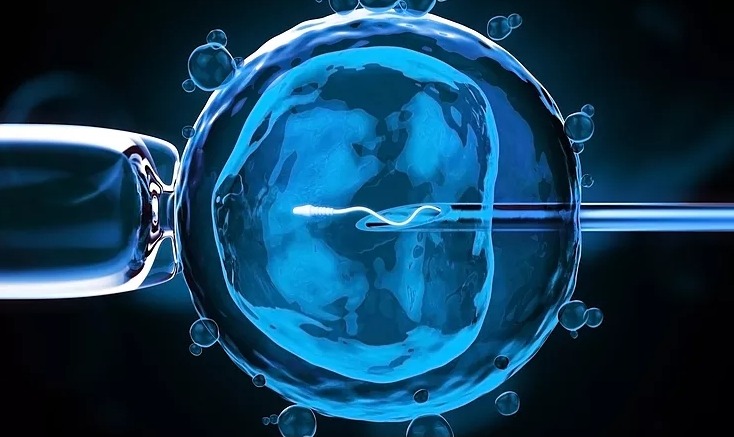
The process involves injecting a single, healthy sperm directly into the centre of a fully matured egg. This step increases the likelihood of fertilisation, even when the natural capability of the sperm is compromised.
How Does the Process Work?
- Sperm Collection and Selection:
To begin, sperm samples are collected, either from ejaculation or in some cases through advanced extraction techniques. Specialists then select the healthiest sperm with the best morphology for the procedure.
- Egg Retrieval:
The eggs are retrieved from the ovaries in a controlled manner under the supervision of a fertility specialist.
- Precision Injection:
Using microscopic instruments, a single sperm is injected into each mature egg. This process ensures fertilisation occurs even with minimal sperm functionality.
- Embryo Transfer:
Once the eggs are fertilised, they are nurtured in a laboratory to develop into embryos. After careful monitoring, a selected embryo is transferred to the uterus to achieve implantation.
Why is ICSI Popular in Thailand?
Thailand’s reputation for medical excellence is solidified by its affordability and expertise in fertility-related procedures like ICSI and IVF. For couples struggling with infertility, the combination of efficient healthcare systems and cutting-edge facilities here offers a dependable framework to achieve their parental goals.
Furthermore, many clinicians in Thailand are trained internationally, bringing advanced global knowledge and techniques. Combined with the country’s warm hospitality, this eases stress for individuals embarking on fertility treatments.
Who is a Good Candidate for ICSI?
ICSI is recommended in cases where conventional IVF may not yield high success rates. This includes situations such as:
- Low sperm count or ineffective motility
- Unsuccessful fertilisation with standard IVF techniques
- Use of previously frozen eggs or sperm
- Instances requiring genetic screening of embryos
Points to Keep in Mind
- Success Rates: While ICSI does not guarantee pregnancy, it significantly increases the chances of fertilisation in difficult situations.
- Cost: Although more invasive than conventional IVF procedures, many find the investment in ICSI worthwhile due to its higher precision and effectiveness.
- Availability: Thailand’s growing prominence in reproductive medicine ensures ample options for couples considering the ICSI procedure.
Thailand has solidified itself as a hub for advanced fertility treatments, offering hope and solutions for countless individuals. The precision of ICSI alongside the scientific advancements in IVF treatments opens a world of possibilities for those struggling with infertility.
Ultimately, the desire to grow your family is deeply personal, and understanding your options will help guide you to make the best decision for your circumstances. Always consult a fertility specialist to explore the avenues most suitable for you.