


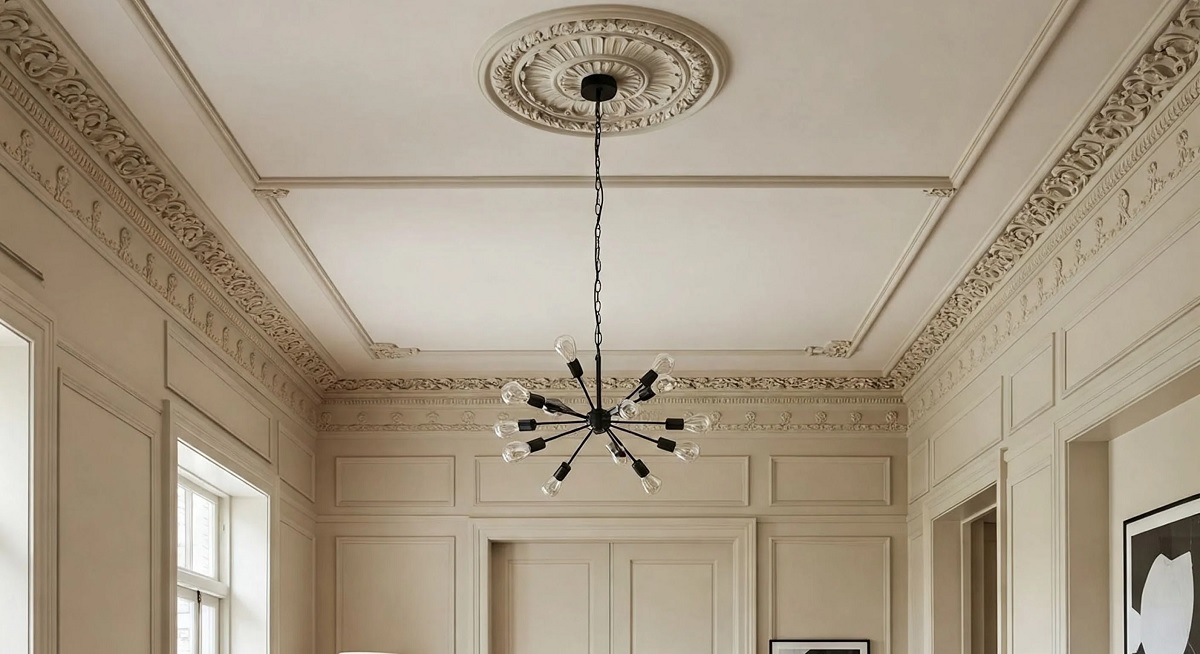
Decorative mouldings are a timeless feature in architecture, adding character and sophistication to any room. From grand palaces to modern homes, these details transform plain walls and ceilings into works of art. In Thailand, where intricate design is a celebrated part of our heritage, decorative mouldings offer a way to connect traditional aesthetics with contemporary living. They provide a subtle elegance that complements both ornate and minimalist interiors.
The choice of material for mouldings has evolved. While wood and plaster have been used for centuries, modern options offer greater flexibility and durability. For instance, Polyurethane moulding (called คิ้วบัวโพลี in Thai) is a popular choice because it is lightweight, resistant to moisture, and can be crafted into highly detailed patterns. This makes it an excellent option for the humid Thai climate, as it won’t warp or rot over time. These materials can capture the classic beauty of traditional designs while providing practical benefits for today’s homes.
The impact of mouldings on a space is significant. They can make ceilings appear higher, frame doorways with style, and add a sense of completion to a room’s design. Think of the beautiful cornices in historic Thai temples or the elegant wainscoting in colonial-era buildings. These elements guide the eye and create a feeling of structure and grace. By incorporating mouldings, you can introduce a similar sense of architectural integrity into your own home.
Choosing the right style is an important part of the process. For a room with classic Thai furniture, a detailed floral or geometric pattern might be fitting. These designs can echo the carvings found on traditional teak cabinets and screens. For a more modern, clean-lined space, simple and smooth profiles can add dimension without creating visual clutter. The goal is to select a style that enhances the existing decor and contributes to a cohesive atmosphere.
Installation can be a straightforward project. Many modern mouldings are designed for easy application, allowing homeowners to add a touch of luxury without major renovations. They can be used as chair rails to protect walls, as picture rails for hanging art, or simply as a decorative border along the ceiling. The versatility of mouldings means they can be adapted to almost any room, from the living room to the bedroom, adding a layer of refinement.
Ultimately, decorative mouldings are a powerful tool for personalising your space. They allow you to infuse your home with a sense of history, artistry, and personal style. By carefully selecting and placing these details, you can elevate your interiors, creating a home that feels both polished and welcoming. It’s a simple change that can make a profound difference.