

Thailand’s rapid urbanisation has transformed its skyline, with modern commercial complexes and residential towers reshaping cities like Bangkok, Chiang Mai, and Phuket. As these structures become increasingly sophisticated, the demand for intelligent building management solutions has grown exponentially. Smart automation systems are now essential for maintaining efficiency, comfort, and sustainability in Thai buildings.
The tropical climate presents unique challenges for building operators across Thailand. High humidity levels, intense heat, and seasonal monsoons require constant environmental monitoring and adjustment. A professional building automation control company can implement systems that respond automatically to these conditions, ensuring optimal indoor environments whilst reducing energy consumption.
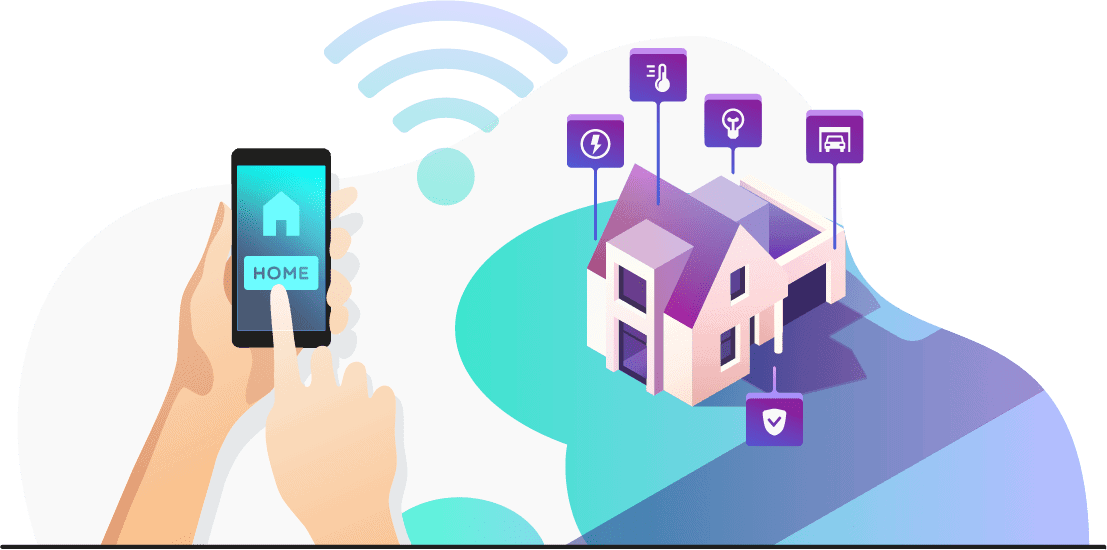
Modern automation technology integrates multiple building functions into a centralised control system. HVAC management, lighting control, security monitoring, and energy distribution work together seamlessly. This integration proves particularly valuable in Thailand’s commercial sector, where businesses operate long hours and require consistent environmental conditions for both occupants and equipment.
Energy Efficiency in Thai Climate
Thailand’s electricity costs have risen steadily, making energy efficiency a priority for building owners. Smart automation systems monitor real-time energy usage patterns and adjust operations accordingly. During peak afternoon temperatures, automated systems can optimise air conditioning schedules, reduce unnecessary lighting, and manage power distribution to minimise utility expenses.
Predictive maintenance capabilities prevent costly equipment failures before they occur. Sensors continuously monitor HVAC performance, detecting early signs of wear or inefficiency. This proactive approach reduces downtime and extends equipment lifespan—particularly important given Thailand’s challenging climate conditions that can accelerate wear on building systems.
Security and Access Control
Thai buildings face diverse security challenges, from urban crime in metropolitan areas to natural disaster preparedness nationwide. Integrated automation systems combine surveillance cameras, access control, fire detection, and emergency response protocols. These systems can automatically initiate evacuation procedures during emergencies whilst maintaining secure access to authorised personnel.
Smart access control eliminates traditional card systems, replacing them with biometric readers and mobile applications. This technology proves especially beneficial in Thailand’s hospitality and commercial sectors, where temporary access for visitors and contractors is frequently required.
Water Management Solutions
Monsoon seasons bring heavy rainfall that can strain building infrastructure. Smart automation systems monitor water levels, detect leaks, and control drainage pumps automatically. These systems prevent flooding damage and reduce water waste—increasingly important as Thai cities face growing pressure on water resources.
Automated irrigation systems for building landscaping adjust watering schedules based on weather conditions and soil moisture levels. This intelligent approach maintains Thailand’s traditionally lush building environments whilst conserving water during dry periods.
Future-Ready Infrastructure
Smart building automation positions Thai properties for future technological advances. Internet of Things connectivity enables remote monitoring and control, allowing facility managers to oversee multiple properties from centralised locations. This capability proves particularly valuable for international businesses operating across Thailand’s diverse urban centres.
The investment in smart automation systems delivers long-term returns through reduced operational costs, improved occupant satisfaction, and enhanced property values in Thailand’s competitive real estate market.