


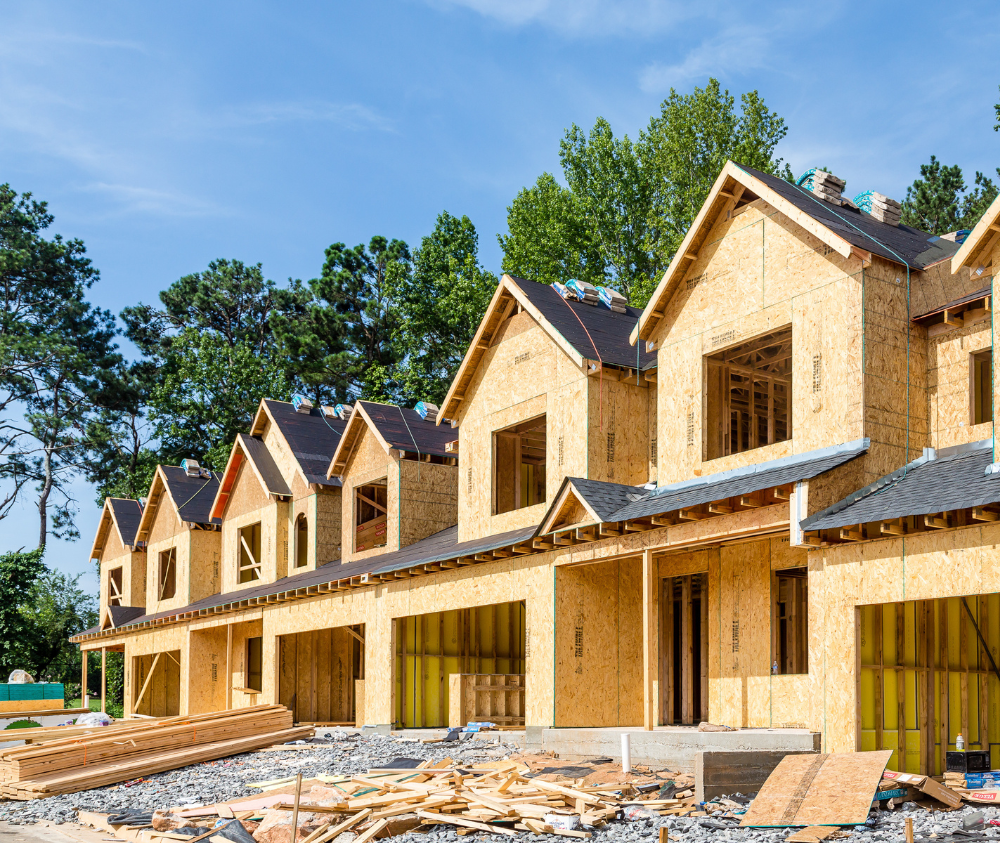
The real estate market in 2025 continues to evolve, shaped by economic shifts, technological advancements, and changing lifestyle priorities. Whether buying a home, investing in property, or evaluating market trends, understanding how the real estate landscape works can help individuals make confident, informed decisions. Today’s market blends affordability concerns, smart home features, sustainability, and strategic investment opportunities.
Key Factors Influencing Today’s Real Estate Market
Economic Conditions and Housing Demand
Economic stability plays a major role in housing availability and pricing. Key influences include:
- Interest rates affecting mortgage affordability
- Job market performance influencing buyer confidence
- Population growth increasing demand in urban and suburban areas
- Inflation and construction costs impacting new home development
Monitoring economic indicators helps buyers and investors anticipate market shifts.
Location and Lifestyle Preferences
Modern homebuyers prioritize more than just property price. Popular preferences include:
- Neighborhoods with parks, schools, and essential services
- Areas with low crime rates
- Proximity to remote-friendly workspaces or coworking hubs
- Suburban communities that offer more space and privacy
Lifestyle-driven decisions continue to shape real estate demand in both cities and suburbs.
The Rise of Smart and Sustainable Homes
Smart Home Technology
Smart homes are rapidly becoming the norm due to convenience and efficiency. Common features include:
- Automated lighting and climate control
- Advanced security systems
- Voice-activated assistants
- Energy monitoring tools
These features increase property value and appeal to tech-savvy buyers.
Eco-Friendly Housing
Sustainability is a major trend in modern real estate. Features that support eco-friendly living include:
- Solar panel installations
- Energy-efficient windows and insulation
- Low-flow water fixtures
- Eco-conscious building materials
Environmentally friendly homes reduce long-term costs and create healthier indoor environments.
Real Estate as an Investment
Types of Real Estate Investments
Real estate remains a reliable long-term investment option. Common investment types include:
- Residential properties for rental income
- Commercial spaces such as offices or retail units
- Vacation rentals in high-demand travel destinations
- REITs (Real Estate Investment Trusts) for passive income
Each type offers unique benefits depending on financial goals and risk tolerance.
Market Research and Due Diligence
Successful investment requires careful analysis. Important steps include:
- Studying neighborhood appreciation trends
- Comparing rental rates and occupancy levels
- Inspecting property conditions
- Reviewing local zoning laws and development plans
Well-informed decisions lead to better returns and reduced risk.
Tips for Buyers and Sellers in 2025
For Homebuyers
- Get mortgage pre-approval to streamline the process
- Consider total cost, including taxes and maintenance
- Inspect properties thoroughly
- Think long-term about resale value
For Sellers
- Improve curb appeal with simple upgrades
- Stage interiors to highlight space and functionality
- Price the property competitively
- Highlight smart or eco-friendly features
Small improvements can significantly impact property value and buyer interest.
Frequently Asked Questions
1. Is 2025 a good year to invest in real estate?
Market strength varies by region, but long-term investments remain promising in growing areas.
2. What features increase a home’s resale value?
Energy efficiency, modern kitchens, smart technology, and updated bathrooms often boost value.
3. How can first-time buyers prepare financially?
Build a strong credit score, save for a down payment, and understand mortgage options.
4. Are smart homes more expensive to maintain?
They may require occasional software updates or device replacements but often reduce utility costs.
5. What’s the difference between buying a home and investing in rental property?
Buying a home focuses on personal living, while rental investments aim for income and appreciation.
6. How does location influence property prices?
Accessibility, safety, job availability, and amenities in the area significantly impact pricing.
7. What are the risks of real estate investing?
Market fluctuations, unexpected repairs, and vacancy periods are common risks to consider.