


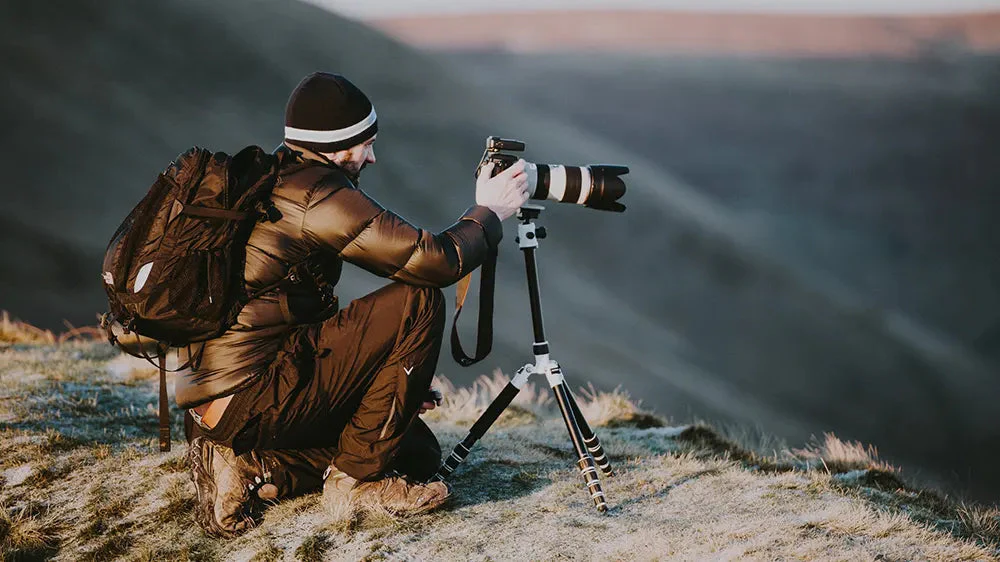
Photography in 2025 is more dynamic than ever, blending creative expression with advanced technology. Whether capturing everyday moments or producing professional work, photography allows individuals to tell stories through light, composition, and emotion. Understanding modern tools, techniques, and trends can elevate your skills and help you create meaningful, visually striking images.
Understanding the Foundations of Great Photography
Mastering Your Camera
Knowing how your camera works is the first step toward capturing impressive photos. Key settings to understand include:
- Aperture for controlling depth of field
- Shutter speed for freezing or blurring motion
- ISO for adjusting sensitivity to light
- White balance for accurate color reproduction
Mastery of these settings empowers photographers to adapt to any lighting or environment.
The Importance of Composition
Thoughtful framing can turn ordinary scenes into breathtaking images. Popular composition techniques include:
- Rule of thirds for balanced images
- Leading lines to guide the viewer’s eye
- Symmetry and patterns for visual harmony
- Foreground elements to add depth
Composition strengthens the visual impact and storytelling behind each photo.
Exploring Modern Photography Styles
Landscape Photography
Landscape photography remains popular for its ability to capture natural beauty. Tips for better landscape images include:
- Shooting during golden hour
- Using a wide-angle lens
- Incorporating foreground details
- Stabilizing shots with a tripod
Patience and observation are essential in this genre.
Portrait Photography
Portraits highlight personality and emotion. To improve portrait photography:
- Use soft, diffused lighting
- Focus on the eyes
- Choose clean backgrounds
- Communicate with your subject for natural expressions
Portraits require a blend of technical skill and human connection.
Creative and Experimental Photography
Modern photography encourages experimentation, including:
- Long exposure light trails
- Macro photography for tiny details
- Minimalist compositions
- Abstract shapes and shadows
These styles push artistic boundaries and help photographers develop unique voices.
The Role of Technology in Photography Today
Advancements in Camera Technology
Current cameras feature impressive improvements such as:
- High-resolution sensors
- Fast autofocus systems
- Low-light performance enhancements
- Built-in AI for subject tracking
These advancements make photography more accessible and efficient.
Smartphone Photography
Smartphones have evolved into powerful photographic tools. Benefits include:
- Easy portability
- Computational photography features
- High-quality lenses
- Instant editing options
For many users, smartphones provide the perfect balance of convenience and capability.
Editing: Enhancing Your Photos
Post-Processing Essentials
Editing helps refine photos and bring out their best qualities. Common edits include:
- Adjusting brightness and contrast
- Enhancing color balance
- Sharpening details
- Cropping to strengthen composition
Editing should enhance the image without removing its natural feel.
Frequently Asked Questions
1. What camera is best for beginners?
Entry-level DSLRs or mirrorless cameras with simple controls are great for learning the basics.
2. How do I improve low-light photography?
Use a higher ISO, slower shutter speed, wider aperture, or external lighting when possible.
3. Are smartphone cameras good enough for professional work?
High-end smartphones can produce impressive results, but dedicated cameras offer better control and flexibility.
4. What lens should I choose for portraits?
Prime lenses with wide apertures, such as 50mm or 85mm, are ideal for portrait photography.
5. How can I make my photos look more professional?
Focus on lighting, composition, and consistent editing styles.
6. What’s the best time of day for photography?
Early morning and late afternoon—during golden hour—offer soft, flattering lighting.
7. How do I develop my own photography style?
Experiment with different subjects, techniques, and editing approaches until you find what resonates most.